|
THE OBSTETRIC COSTS OF FEMALE GENITAL MUTILATION |
|
|
|
|

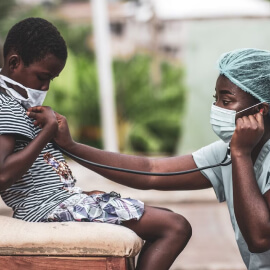
The results of a recent WHO study titled, 'Estimating the obstetric costs of female genital mutilation in six African Countries' found that the financial burden of caring for the obstetric complications of women who have undergone FGM imposes a strong economic strain on the health system. The study of 28 obstetric centres in Burkina Faso, Ghana, Kenya, Nigeria, Senegal and the Sudan carried out between November 2001 and March 2003 found that the financial burden of caring for obstetric complications such as Caesarean sections, postpartum hemorrhage, prolonged hospitalization, perinatal death among women who have suffered FGM imposes a great economic strain on the health system. While acknowledging that some of the costs could have been paid out of pocket by the families rather than the health system, as well the delivery costs of women who delivered at home, the results still point out that money spent on preventing FGM could have been offset by savings to the health system. The study concluded that African health ministry’s that invest in curbing the practice of FGM are likely to recover a large portion of the investment by saving money from prevented obstetric complications. For details of the study see http://www.who.int/bulletin/volumes/88/4/09-064808/en/ |
|
|
FGM MEMORIES HAUNT WOMAN MP |
|
|
|
|

ADVOCATES AGAINST FGM
Never before in the history of the august House had a member used her life experience to move debate as Ms Sophia Abdi did when supporting Bill to outlaw female cut.
Daily Nation - Kenya
|
|
|
|